
%20(25).png)
%20(16)_edited.png)
The Hidden Cost of Stress and Compression on the Body
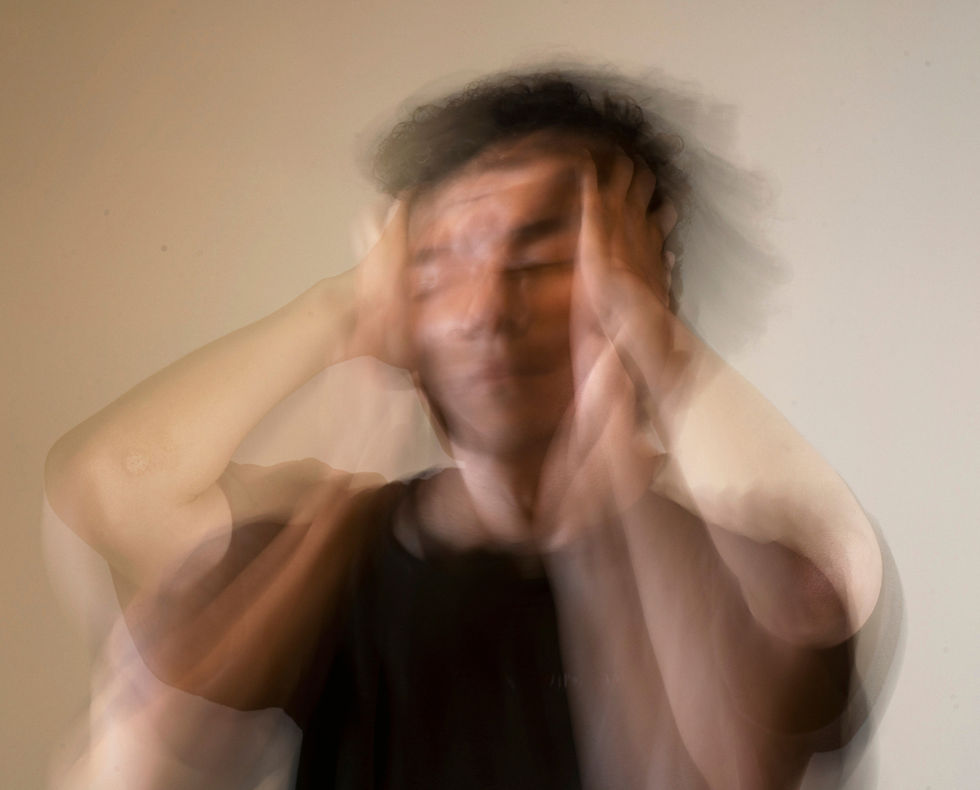
Stress is often thought of as something mental or emotional - racing thoughts, anxiety, overwhelm, burnout. But stress is also profoundly physical.
Over time, chronic stress changes posture, breathing patterns, muscle tension, circulation, digestion, sleep quality, and even how the nervous system interprets pain.
Many people walk through daily life unaware that their body has been slowly adapting to stress for years through subtle patterns of compression and restriction.
Tight shoulders. A clenched jaw. Shallow breathing. Stiff hips. Constant fatigue. Headaches that seem to come out of nowhere.
These aren’t random issues. They’re often signs that the body has been carrying stress for far too long.
Spending time between Seattle and Kyoto has made these patterns even more noticeable to me. In Seattle, I often see stress accumulate through long work hours, technology use, commuting, and overstimulation. In Kyoto, while the pace can feel quieter on the surface, many people still carry deep physical tension through posture, walking fatigue, travel stress, and nervous system overload. Different environments create different stressors, but the body responds in remarkably similar ways when recovery and structural balance are neglected.
What “Compression” Really Means
Compression happens when the body begins holding tension chronically instead of moving and recovering freely.

This can occur from:
Emotional stress
Sedentary work
Long hours sitting
Poor posture
Injury compensation
Overtraining
Chronic anxiety
Lack of recovery
Over time, muscles tighten, joints lose mobility, fascia becomes restricted, and breathing patterns become shallow. The nervous system adapts to this “compressed” state and begins treating it as normal.
The result is a body that feels heavier, tighter, less mobile, and more reactive to stress.
Stress Changes the Nervous System
When stress becomes chronic, the sympathetic nervous system (“fight-or-flight”) remains activated for long periods of time.
This has wide-reaching effects on the body:
Increased muscle tension
Reduced digestion
Poor sleep quality
Elevated cortisol
Increased inflammation
Higher pain sensitivity
Fatigue and brain fog
Research from the American Psychological Association continues to show strong links between chronic stress and increased risk of cardiovascular disease, immune dysfunction, digestive disorders, anxiety, depression, and chronic pain.
The body was designed to move in and out of stress states - not stay trapped in them continuously.
The Physical Signs of Chronic Compression
Many people don’t recognize stress in their body until symptoms become severe.
Some common signs include:
Tight Neck and Shoulders
One of the most common stress patterns. Many people unconsciously elevate their shoulders or brace through the upper back throughout the day.
Jaw Clenching and Headaches
Stress frequently shows up through jaw tension, teeth grinding, and tension headaches.

Shallow Breathing
Compressed posture reduces diaphragm movement, limiting oxygen intake and reinforcing nervous system activation.
Low Back and Hip Tightness
Sitting, stress bracing, and reduced movement all contribute to lower-body compression patterns.
Digestive Issues
The digestive system slows significantly during chronic stress states, contributing to bloating, IBS symptoms, reflux, or irregular digestion.
Why Stress Recovery Is Physical - Not Just Mental
Many people attempt to “think” their way out of stress while ignoring what’s happening physically.

But the body often needs direct support to exit chronic stress patterns.
This is where bodywork, movement, breathwork, and acupuncture become so valuable.
These therapies help:
Release chronic muscular holding patterns
Improve circulation and mobility
Restore healthier breathing mechanics
Calm the nervous system
Improve sleep and recovery
Reduce inflammation and pain sensitivity
In many cases, people don’t realize how tense they’ve been until their body finally relaxes.
The Role of Fascia and Structural Tension
Fascia - the connective tissue surrounding muscles and organs - plays a major role in how stress accumulates physically.
When the body experiences repeated stress or tension, fascia can become less elastic and more restricted.
This contributes to:
Reduced mobility
Stiffness
Chronic pain patterns
Poor posture
Altered movement mechanics
Because fascia connects throughout the body, tension in one area often affects seemingly unrelated regions. For example:

Tight hips can contribute to neck tension
Jaw clenching can influence posture and breathing
Restricted rib mobility can increase shoulder pain
The body functions as an interconnected system, not isolated parts.
Small Daily Habits That Reduce Compression
Breathe Lower and Slower
Most stressed adults breathe shallowly into the chest. Practicing diaphragmatic breathing for even 5 minutes daily can help calm the nervous system and reduce physical tension.
Change Positions Frequently
The body tolerates movement far better than prolonged stillness. Stand, stretch, walk, or shift positions every 30-60 minutes.

Walk More Than You Think You Need To
Walking improves circulation, spinal mobility, digestion, lymphatic flow, and stress regulation simultaneously.
Prioritize Recovery
Without recovery, stress accumulates faster than the body can repair. Sleep, hydration, nutrition, quiet time, and restorative movement all matter.
Pay Attention to Early Signals
Tension, fatigue, headaches, poor sleep, and irritability are often early warning signs - not inconveniences to push through.
You Don’t Have to Stay Stuck in Survival Mode
Many people become so accustomed to chronic tension and stress that they assume it’s normal aging or simply “part of life.”
But the body is remarkably adaptable when given the right support.
Reducing stress and compression isn’t about eliminating all challenges from life. It’s about helping the nervous system and structure of the body regain flexibility, resilience, and recovery capacity.
Often, the goal is not dramatic transformation overnight - it’s creating enough space in the body that you can finally breathe, move, and feel like yourself again.

As always, I’d be honored to support you in that process. Whether you’re dealing with chronic tension, burnout, pain, headaches, or stress-related symptoms, bodywork and acupuncture can help restore balance and reconnect you to your body in a healthier way.


Comments